
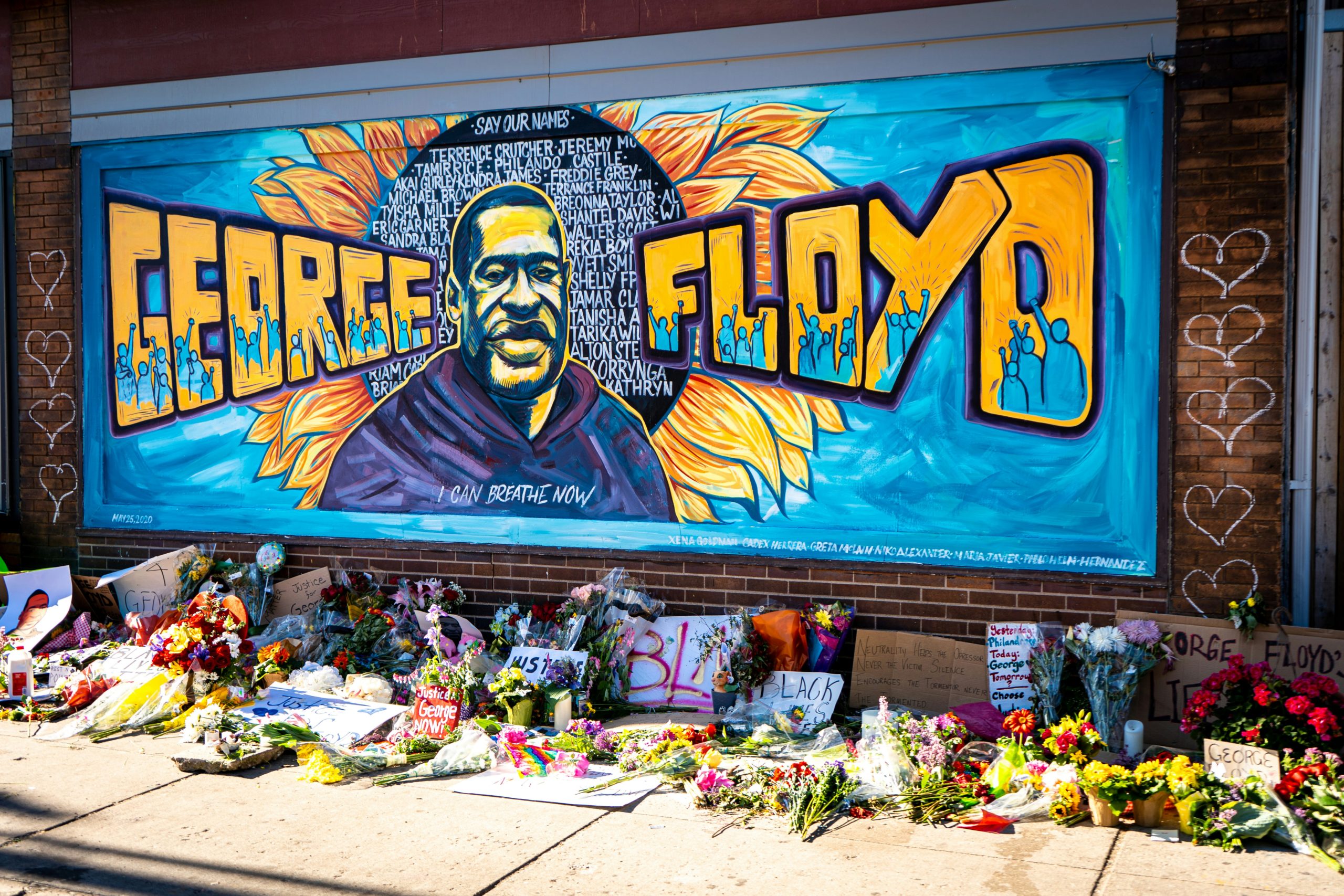
As the United States nears the somber five-year anniversary of George Floyd’s death, the U.S. Department of Justice (DOJ) has announced a major shift in its approach to police reform. The decision to withdraw from key federal consent decrees in Minneapolis and Louisville — two cities deeply tied to the modern movement for racial justice and police accountability — has sparked outrage and concern across the country.
These consent decrees were initially designed to overhaul deeply flawed policing systems after federal investigations revealed widespread misconduct, including racial profiling, civil rights violations, and excessive force. Now, in a dramatic policy reversal under President Donald Trump’s second term, the DOJ is pulling the plug.
Assistant Attorney General Harmeet Dhillon, now leading the Civil Rights Division, justified the move by stating the consent decrees were “factually unjustified” and portrayed them as tools of federal overreach. In her statement, she argued that such reform measures undermined local control, claiming:
“Overbroad police consent decrees divest local control of policing from communities where it belongs, turning that power over to unelected and unaccountable bureaucrats.”
She continued, “Today, we are ending the Biden Civil Rights Division’s failed experiment of handcuffing local leaders and police departments.”
Under the Trump administration’s new directive, the Justice Department will no longer prioritize reform-based investigations into police misconduct. This means existing and pending investigations into departments such as Phoenix, Memphis, and Oklahoma City — all previously flagged for excessive force and civil rights abuses — will now be terminated or ignored.
Instead, the DOJ’s resources are being reallocated to enforcing executive orders focused on combating antisemitism and dismantling what it labels “divisive” diversity initiatives in government institutions. This pivot signals a dramatic de-escalation of federal involvement in civil rights enforcement at the local police level.
In Minneapolis — the city where George Floyd’s murder by a police officer was broadcast across the globe, sparking mass protests — officials have made it clear they will not abandon their efforts. Though the federal DOJ has withdrawn from its consent decree, the city remains bound to a separate, court-enforced agreement with the Minnesota Department of Human Rights.
Minnesota Commissioner Rebecca Lucero affirmed the city’s commitment, stating:
“While the Department of Justice walks away, our department and the state court consent decree aren’t going anywhere.”
This local decree was developed following a damning report that found systemic failures in the Minneapolis Police Department (MPD), including disproportionate use of force against Black residents and a culture of impunity. Reform efforts include revised use-of-force policies, mandatory body camera compliance, and enhanced community oversight.
Louisville, another flashpoint in the national reckoning on police violence, also finds itself at a crossroads. After the fatal shooting of Breonna Taylor in 2020 during a botched no-knock raid, the city faced enormous pressure to reform its police department. In 2024, the DOJ and the city finalized a consent decree focused on rebuilding trust, eliminating discriminatory practices, and establishing transparency within the Louisville Metro Police Department (LMPD).
Now, that federal agreement is effectively nullified. But Louisville Mayor Craig Greenberg pledged to stay the course:
“We are moving ahead rapidly to continue implementing police reform that ensures constitutional policing while providing transparency and accountability to our community.”
Greenberg’s administration has already made strides toward change, including dismantling specialized units associated with misconduct, revising training protocols, and enhancing oversight through a newly created civilian review board. However, without federal enforcement, it’s unclear how effectively these reforms will be implemented or sustained long-term.
The DOJ’s retreat comes at a time when public confidence in policing remains deeply fractured, particularly among Black and marginalized communities. Federal consent decrees have historically been among the most powerful tools available to mandate changes in police departments plagued by corruption, abuse, and systemic racism.
Consent decrees typically follow in-depth federal investigations under Section 14141 of the Violent Crime Control and Law Enforcement Act. These decrees legally bind cities and police departments to implement specific reforms under the supervision of an independent monitor and a federal judge. They are, by design, corrective tools to address patterns of unlawful conduct that local authorities have failed to resolve.
Critics argue that the Trump administration’s dismantling of these agreements sends a dangerous signal — that the federal government is no longer willing to stand between vulnerable communities and abusive policing practices.
Adding to the chaos is the internal turmoil within the DOJ itself. NPR recently reported that around 70 percent of the attorneys working in the Civil Rights Division have either resigned or intend to leave the department. Many cited the Trump administration’s abrupt redirection as a key reason for their departures.
Stacey Young, a former DOJ civil rights attorney, expressed deep concern over the agency’s transformation:
“The division is being decimated. It doesn’t exist to enact the president’s own agenda. That’s a perversion of the separation of powers and the role of an independent Justice Department.”
Staff members have described the work environment as demoralizing and hostile to the very values the division was created to uphold. Legal professionals who once pursued justice for disenfranchised communities now find themselves under pressure to align with ideological directives that contradict their mission.
The exodus of seasoned lawyers has also sparked fears about the DOJ’s future capacity to enforce civil rights laws — not only in policing but in areas like housing, voting rights, education, and disability protections.
Five years ago, the murder of George Floyd reignited a national and global reckoning with racism, law enforcement abuses, and the deep fractures in American society. Millions marched in protest, demanding accountability and structural reform. Cities committed to change, and the federal government under President Biden took steps to support those efforts through investigations and consent decrees.
Now, in one sweeping announcement, the DOJ appears to be abandoning that momentum.
For civil rights groups, community organizers, and victims’ families, the rollback feels like betrayal — a nullification of the blood, sweat, and grief poured into America’s largest protest movement since the Civil Rights era.
One of the central arguments made by the Trump administration for ending the consent decrees is the assertion that law enforcement should be under the full control of local governments, not federal monitors. While local control is a cornerstone of American governance, critics warn that without federal oversight, many departments will simply return to the status quo.
In many cases, local governments have shown little initiative to rein in abusive departments without outside pressure. Federal intervention has historically served as a necessary check when cities fail to act on their own. By stepping back, the DOJ may be creating a vacuum where accountability is once again optional.
As the nation reflects on the legacy of George Floyd and the broader struggle for racial justice, this move by the Justice Department marks a pivotal moment. Will cities like Minneapolis and Louisville continue to pursue meaningful reform in the absence of federal enforcement? Will other jurisdictions abandon efforts altogether without the legal and moral backing of the DOJ?
The answers remain uncertain. What’s clear is that the battle over the soul and purpose of policing in America is far from over. Activists, lawmakers, and local leaders now face a choice: to stand firm in the fight for accountability or watch years of progress unravel in silence.
One thing is for sure — history will remember not just those who marched in the streets, but also those who walked away when it mattered most


