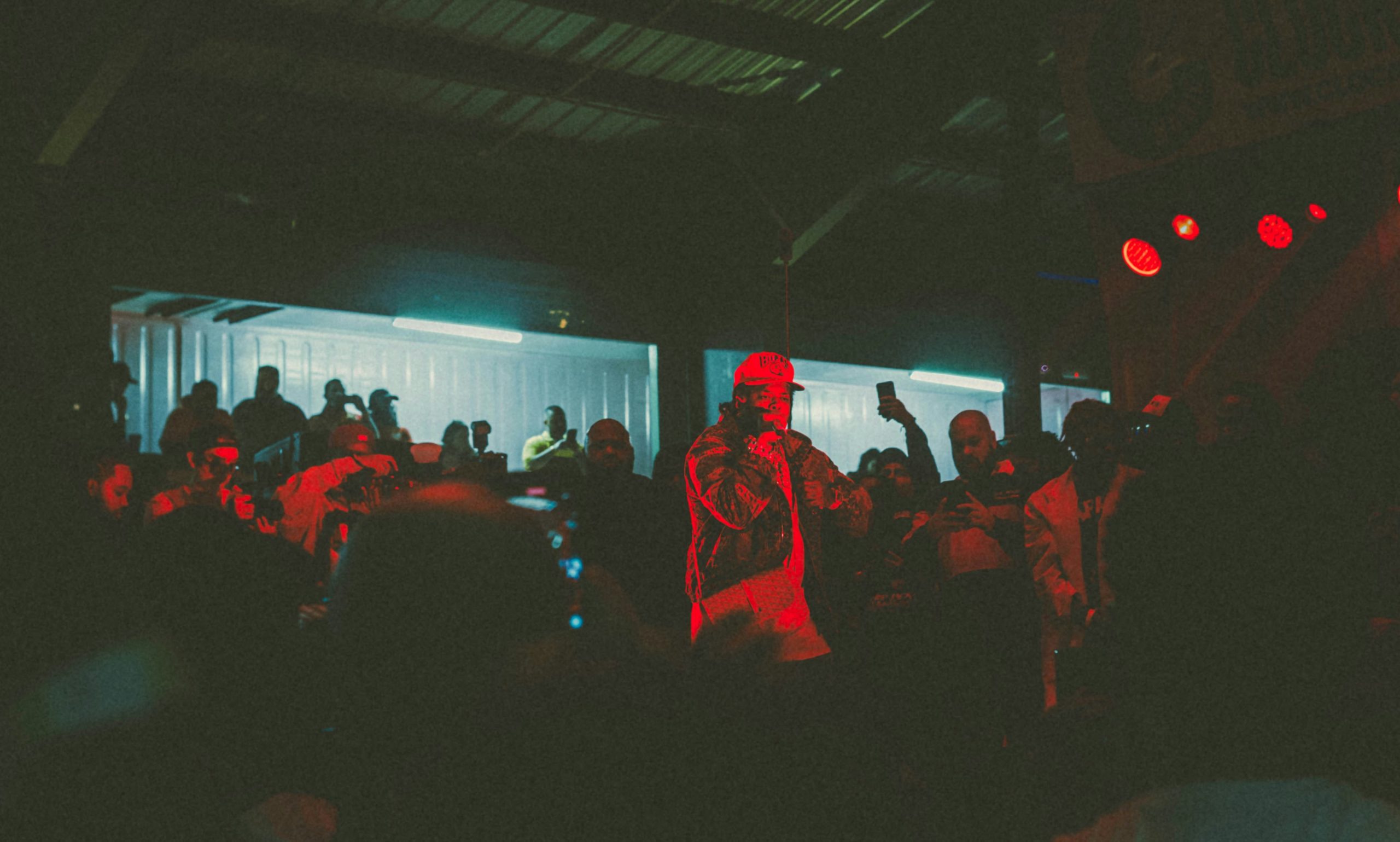
Photo by Frankie Cordoba on Unsplash
In the modern music industry, streaming platforms like Spotify, Apple Music, and YouTube have become the default destination for both artists and listeners. They promise global reach, instant accessibility, and a space where even the smallest act can, in theory, be discovered. But for a growing number of independent artists, the streaming dream has started to feel like a financial illusion.
Over the last year, a visible shift has emerged. Many indie musicians are opting out of traditional Digital Service Providers (DSPs) and moving toward direct-to-consumer (DTC) platforms. They’re selling their music through their own websites, social media channels, at live shows, and on dedicated DTC platforms. This shift is not driven purely by emotion or protest—it’s about cold, hard numbers, retaining ownership, and building sustainable careers on their own terms.
While streaming remains an unmatched discovery tool, the monetization model behind it leaves much to be desired—especially for artists who aren’t commanding millions of plays. Unlike a flat per-play payout, streaming works on a “pro-rata” model. This means artists are paid a portion of a platform’s total monthly revenue based on how much of the total stream count their songs make up. In practice, that funnels most earnings toward mega-stars and leaves independent musicians with fractions of a penny per play.
In 2024, this issue was exacerbated when Spotify introduced a new threshold policy: tracks that received fewer than 1,000 plays in the past 12 months would no longer generate royalties. This change was framed as a way to reduce fraud and eliminate low-quality “noise” content from monetization. But it also meant that thousands of small, sincere catalog tracks from independent artists would now yield zero income, no matter how meaningful they were to their niche audiences.
This isn’t just a question of revenue. It’s a signal. Many indie musicians realized that unless they break into the upper tier of streaming traffic, their work would be treated as disposable by the very platforms hosting it.
To understand the rationale behind the DTC shift, consider how streaming payouts actually look for independent artists.
Let’s take rough industry estimates: Spotify typically pays around $3 per 1,000 streams. To earn $1,000 on Spotify, you’d need approximately 333,000 streams. Apple Music and TIDAL offer higher payouts per stream, but the traffic volume is often lower compared to Spotify. Even in the best-case scenarios, artists must drive massive traffic to earn what they could potentially make from a few hundred loyal supporters buying directly.
In contrast, if an artist sells 200 digital albums for $10 each through a direct platform and keeps 80% of that revenue, they make $1,600—without needing hundreds of thousands of passive listeners. This basic comparison has become a wake-up call for many musicians who have started treating DSPs as a marketing tool instead of a revenue stream.
Selling directly to fans allows artists to keep a significantly higher percentage of each transaction. Whether it’s a digital album, a vinyl record, or a limited-edition merch item, the artist is no longer splitting revenue with labels, distributors, and platform fees. Most DTC platforms let artists keep around 80–85% of each sale, and payments often arrive within a day or two. For artists living month-to-month, this speed and control matter.
Streaming platforms don’t share user data with artists. This means you can have hundreds of thousands of listeners but still not know who they are, where they live, or how to reach them outside the app. DTC models flip that. Artists who sell music or merch through their own websites or specialized platforms can collect emails, phone numbers, and location data, building valuable audience lists for future sales, concert announcements, and exclusive content.
This not only strengthens long-term income but also deepens the emotional bond between creator and supporter. It’s no longer just a song on a playlist—it’s a direct exchange.
New platforms allow artists to experiment with “windowing”—releasing music exclusively to their own store for a limited time before placing it on streaming services. This transforms passive listeners into active buyers. Fans who want to be the first to hear new music are incentivized to purchase early access bundles or deluxe editions. Some artists have turned this into a strategy: debut on a DTC platform, drive sales and email capture, then roll out on Spotify or Apple Music later to expand discovery.
More and more artists are making decisions based on their values. Some have pulled their catalogs from platforms whose policies, investments, or partnerships clash with their beliefs. Whether it’s concerns over how tech companies handle user data, invest in certain industries, or prioritize profit over culture, many independents see DTC models as a way to align their business with their principles. When you sell directly, you set the rules.
EVEN is a growing DTC platform designed specifically for musicians to sell digital releases as timed “drops.” Artists can set their own prices, offer pay-what-you-want models, and bundle experiences like behind-the-scenes videos, Zoom meetups, or concert tickets. Unlike streaming services, EVEN gives artists access to fan contact info and provides built-in tools for targeted marketing—like SMS and email campaigns tailored to different audience segments.
EVEN has positioned itself as an artist-first alternative, championing transparency and control. Its features are designed to help artists monetize creatively, from limited drops to fan-exclusive bundles.
Nebula represents another flavor of the direct model: ownership. On this Web3 platform, fans can purchase tokenized shares of songs, which entitle them to a portion of the royalties those songs generate. The model aligns fans with artists financially—if the song succeeds, both parties win.
This method can also act as a form of crowdfunding. Artists raise capital for production, marketing, or touring by offering a portion of their future earnings. Unlike traditional advances from labels, the artist retains full creative control and copyright ownership. It’s a high-risk, high-reward strategy, but one that’s increasingly appealing to artists with engaged fanbases and entrepreneurial mindsets.
As more independent artists explore life beyond Spotify, a new playbook is forming. It often looks like this:
And for artists with the right audience, experimenting with fan co-ownership through platforms like Nebula can unlock new forms of support without sacrificing independence.
It’s important to note that most artists aren’t abandoning streaming entirely. Instead, they’re reframing its purpose. Streaming is now treated as the top of the funnel—a way to reach casual listeners, algorithmic playlists, and new territories. But the goal is no longer just to rack up streams. It’s to convert those listeners into loyal fans who buy music, attend shows, and become part of a lasting community.
In a world where the economics of streaming continue to favor the few, the smartest independents are finding freedom—and profit—by stepping off the mainstream highway and building their own roads. Platforms like EVEN and Nebula are just the beginning. The tools are here. The model is shifting. And the music industry, at least on the independent side, may never look the same again.


