
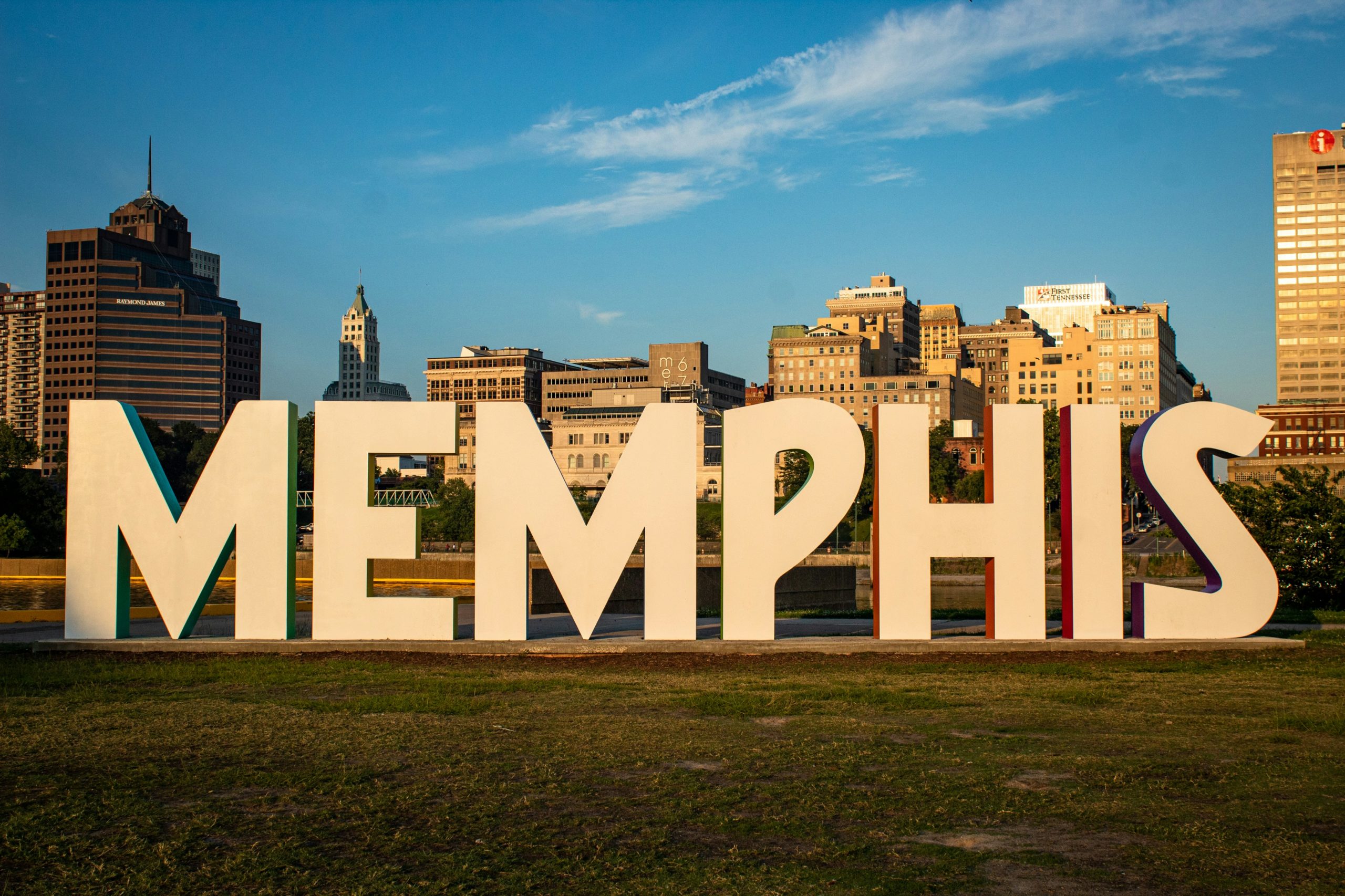
Photo by Joshua J. Cotten on Unsplash
When Adolph Robert Thornton Jr., better known to the world as Young Dolph, entered any space, he didn’t just represent himself—he embodied the entire city of Memphis. His energy, accent, hustle, and authenticity all pointed back to the city that made him. Whether he was performing in front of thousands or speaking in interviews, Dolph carried the weight of his hometown with undeniable pride. He wasn’t just a rapper; he was a symbol of perseverance, ambition, and self-determination. His journey—from navigating tough Memphis streets to becoming one of hip-hop’s most respected independent voices—was never smooth, but it was always real. And that rawness is what forged his legend.
Born on July 27, 1985, in Chicago but raised in South Memphis, Young Dolph grew up immersed in the realities of urban struggle. The challenges he faced weren’t abstract—poverty, violence, and instability were part of his daily life. These early trials gave him a lens through which he would view the world, influencing not just his music but his entire worldview.
In multiple interviews, Dolph credited his upbringing as the crucible that shaped his grit and determination. “Where I’m from, you either figure it out or you don’t make it,” he once said. “I figured out that music was my way.” For him, hip-hop wasn’t just a passion—it was a lifeline, a form of survival, and eventually, a tool of liberation.
This theme of resilience is woven through his entire discography. Dolph didn’t rap about dreams he hadn’t lived; he rapped about navigating a world that was all too real. His authenticity wasn’t crafted for the camera—it was who he was. And that truth connected with millions.
Dolph’s first step into the music industry came in 2008 with the release of his debut mixtape, Paper Route Campaign. It was raw, unpolished, and undeniably promising. But more importantly, it marked the beginning of something bigger—Paper Route Empire (PRE), his independent label that would grow into a powerful symbol of ownership in hip-hop.
Dolph could’ve taken the easy route. Major labels came knocking, offering multi-million-dollar deals. But he turned them all down, time and again. Why? Because he believed in the long game. He believed in building something of his own. To him, owning his masters, controlling his brand, and staying true to his roots were worth more than any contract.
In 2017, Dolph released Gelato, a project that proved he didn’t need the industry’s approval to make noise. The tape was a viral hit, celebrated for its unapologetic lyrics, infectious beats, and Memphis-infused swagger. With no corporate machine backing him, Gelato showed what sheer independence could do—and Dolph reveled in it. He frequently reminded his fans that his success was “built brick by brick,” emphasizing that every win came from sweat equity and relentless drive.
By the mid-2010s, Dolph wasn’t just an underground figure—he was a staple in Southern hip-hop. In 2016, he dropped King of Memphis, a defiant project that did more than stake his claim—it demanded recognition. It was a bold title, but one he had earned.
His 2020 album, Rich Slave, would become his most commercially successful to date, debuting at No. 4 on the Billboard 200. The project was laced with social commentary, street wisdom, and personal reflection, showing that Dolph’s pen was as sharp as ever and his message more relevant than ever.
But Dolph didn’t stop at solo success. His most electric work came in collaboration with his cousin and protégé, Key Glock. Their 2019 mixtape Dum and Dummer was a masterclass in chemistry—two Memphis titans trading bars with an effortless synergy. The success of their joint project launched a nationwide tour that sold out across cities, cementing Paper Route Empire as a serious force—no middlemen, no majors, just Memphis magic.
“We weren’t just rapping,” Dolph said during the tour. “We were showing people what it looks like when you put your city on your back and build something real.”
What made Young Dolph stand apart wasn’t just his music, but his mission. He wasn’t satisfied with just being rich or famous—he wanted to uplift others, especially those from Memphis. Through Paper Route Empire, he opened doors for emerging artists like Big Moochie Grape, Snupe Bandz, and of course, Key Glock. He wasn’t just signing talent—he was showing them how to own their voices, control their businesses, and navigate the industry with integrity.
Dolph’s message to the youth was consistent: “Don’t wait for permission. Own your work. Own your life. And look out for your people.”
He practiced what he preached. While many artists focus solely on fame, Dolph diversified. He invested in real estate, local businesses, and community projects. He was deeply involved in securing his family’s financial future—famously buying homes for his children and focusing on building generational wealth. He wanted his children to inherit more than fame; he wanted them to inherit freedom.
Despite his wealth and influence, Dolph never distanced himself from the community that raised him. His philanthropy was consistent and often quiet. In 2018, he donated $25,000 to his old high school, Hamilton High, and he frequently supported local youth programs and scholarship initiatives.
But many of Dolph’s most meaningful contributions never made the news. Friends and locals share stories of him paying rent for struggling families, handing out groceries during holidays, and supporting grassroots organizations. His impact wasn’t performative—it was personal. He gave because he cared, not because he wanted recognition.
Among Gen Z and emerging hip-hop artists, Young Dolph became more than a rapper—he became a blueprint. In an industry dominated by gatekeepers, Dolph’s refusal to compromise resonated with a new generation hungry for autonomy. He showed that you could build an empire on your own terms—and win.
For many artists coming up today, he’s the invisible mentor. They may never have met him, but his influence is evident in how they move. His story—turning down deals, selling out tours, owning his masters—became a mythology passed down in tweets, interviews, and locker-room conversations. Dolph’s life whispered a powerful message: “You don’t have to play their game to win.”
On November 17, 2021, Young Dolph was tragically shot and killed in Memphis while visiting a local bakery he loved. The news shook the music world to its core. Fans mourned. Artists paid tribute. The city of Memphis stood still. But as devastating as his loss was, his legacy roared louder than ever.
His music continues to stream in the millions. Paper Route Empire marches forward, with its roster of artists carrying the flame he lit. Memorials have been built in his honor, and his image remains etched into murals, t-shirts, and memories. His impact is not frozen in time—it’s growing.
Today, Young Dolph is more than a name or a catalog of hits—he’s a symbol. A symbol of what’s possible when you believe in yourself, bet on your own vision, and commit to uplifting your community. His journey reminds us that where you start doesn’t define you—it’s where you’re willing to go, how hard you’re willing to fight, and how many people you bring with you along the way.
The name Paper Route Empire wasn’t just a label. It was a lifestyle. It was about building, about ownership, about staying true when the world tries to change you. That’s the heart of Dolph’s legacy.
And that legacy? It’s forever.


