
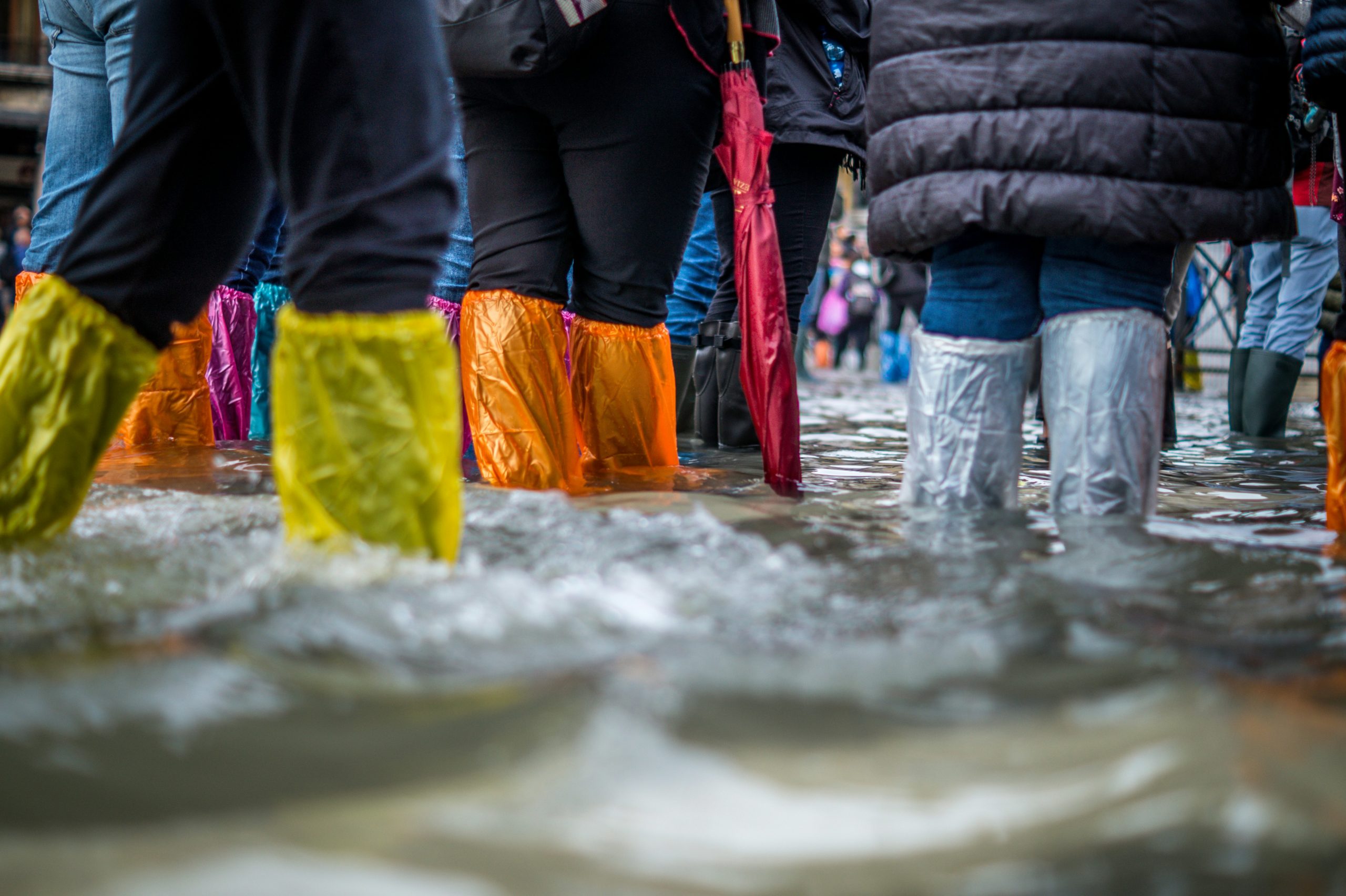
Photo by Jonathan Ford on Unsplash
In early July, a catastrophe unfolded across central Texas that has shaken the state to its core and sent shockwaves across the nation. Relentless, record-shattering rains unleashed historic flash flooding, catching communities off-guard and leaving a heartbreaking trail of devastation. In a matter of hours, towns were submerged, communication was crippled, and entire families found themselves fighting for survival. The death toll now stands at 82 people and is expected to rise as search and recovery efforts continue. Among the most tragic chapters: the loss of dozens of young girls and staff members at a beloved all-girls Christian summer camp.
This disaster, one of the deadliest in Texas’s recent memory, has exposed both the awe-inspiring power of nature and the tragic consequences of systemic failures in preparedness, communication, and emergency response.
On Friday, July 4th, torrential rains began pounding the Texas Hill Country and surrounding regions. By the end of the day, what had started as a heavy downpour turned into a multi-county emergency. Nearly five million Texans were placed under flood watch by the National Weather Service (NWS) as rivers and creeks rose with astonishing speed. Forecasters warned that up to 10 more inches of rain could be dumped onto already saturated soil, pushing waterways far beyond their limits.
As rain hammered rooftops and thunder rattled windows, many residents had little idea just how swiftly their lives were about to change. By the time dawn broke, homes and roads had been swallowed up by rising water, and communications were down across large swathes of the state. Emergency operators were soon overwhelmed by frantic calls for help.
Among the hardest-hit locations was Camp Mystic, a long-standing all-girls Christian summer camp nestled along the Guadalupe River in Hunt, Texas. In the early hours of that fateful Friday, the river—normally a site of laughter and friendship—turned deadly. Within two hours, the water level rose more than 20 feet, transforming the camp into a scene of chaos and heartbreak.
In a matter of minutes, cabins were swept away or inundated. Camp counselors and directors raced from bunk to bunk, trying desperately to account for every child and usher them to higher ground. Tragically, for many, it was too late. The force of the river was simply too great, and warning systems were either unavailable or failed to reach everyone in time.
In the aftermath, the numbers paint a grim picture: 27 campers and counselors are confirmed dead, including young girls whose lives had barely begun. At least 11 remain missing, with search efforts ongoing as exhausted responders and anguished families cling to hope.
While the disaster’s toll is almost too much to bear, the floods also revealed moments of extraordinary courage and compassion. Richard “Dick” Eastland, the camp’s longtime director, is remembered as a hero who lost his life while trying to rescue the girls in his care. “He did not leave their side,” said a grieving parent. “He stayed with them, even as the water rose around him.”
Emma Foltz, a young counselor from Louisiana, is credited with saving the lives of 14 campers by leading them up a steep hillside path just as the river broke its banks. “She kept them calm, even as everything around them was chaos,” said Louisiana Governor Jeff Landry, who praised Foltz for her quick thinking and composure.
Night watchman Glenn Juenke became an unlikely savior as well, using mattresses as makeshift rafts to keep shivering girls afloat until rescue crews could reach them. “The water was cold, the current was strong, and the kids were terrified,” Juenke recounted. “But in that moment, all I could do was hold on to hope and hold on to them.”
As the scale of the disaster became clear, so did the shortcomings in the region’s emergency preparedness. While the National Weather Service did issue warnings, many families reported never hearing them—especially those living in rural areas with unreliable cell service.
Kerr County officials later revealed that they had considered installing flood warning sirens in years prior, but ultimately did not follow through. “We discussed it, but the funding wasn’t there and the threat didn’t seem imminent,” one official admitted. This missed opportunity now looms large, as families and survivors question what could have been done differently.
The limitations of the country’s broader emergency alert system are now in the spotlight as well. Many residents say they received no notice at all, and those who did were given only minutes to act. In some cases, alerts arrived after the floodwaters had already swept through neighborhoods and the campgrounds.
With communications down and whole communities stranded, the scale of the rescue effort was staggering. More than 400 responders from over 20 different agencies converged on the disaster zone, working side by side with K-9 units, military drones, and National Guard helicopters.
The U.S. Coast Guard rescued more than 230 people in the first days alone. Among their ranks was Scott Ruskan, a rookie rescue swimmer who pulled 165 people to safety, sometimes risking his own life amid debris-choked waters and falling trees. “You have to put your fear aside,” Ruskan said. “There were moments when the people I was saving were the ones keeping me going, not the other way around.”
Civilian volunteers—most notably the United Cajun Navy—joined the effort, braving hazardous conditions to reach trapped residents. Volunteer Nick Sortor described the danger: “You never know what’s going to come at you—trees snap, roofs collapse, and the current is relentless.”
As the scope of the crisis became evident, the federal government declared a major disaster for the affected counties. President Donald Trump signed the declaration, promising resources and support, but questions about FEMA’s long-term role and the adequacy of federal assistance quickly bubbled to the surface.
When pressed about his prior comments on reducing or eliminating FEMA, Trump replied, “We can debate that later. Right now, we need every available resource on the ground.”
Homeland Security Secretary Kristi Noem addressed criticism of the government’s response, stating that while the National Weather Service did its best, “the alert system is old, outdated, and in dire need of modernization.” She added that “technology upgrades are in progress, but this disaster shows we have much further to go.”
Noem echoed the administration’s desire for a more state-led model of disaster response, where the federal government acts as a support rather than a leader. “FEMA’s future is up for debate, but we need to make sure states have the tools and funds they need to protect their own citizens.”
Across central Texas, the heartbreak is nearly unbearable. Vigils have sprung up at churches, schools, and even the gates of Camp Mystic, where grieving families gather to honor the lost. Counselors, pastors, and mental health professionals are working overtime to help children and parents process their grief.
A mother whose daughter perished in the flood stood at a recent vigil, clutching her child’s favorite toy. “They always say tragedy brings change, but why must it come at such a cost?” she asked, her voice cracking.
The trauma is rippling outwards, affecting not only those who lost loved ones but entire communities who now fear it could happen again. Children wake from nightmares. Families wonder if they’ll ever feel safe in their homes again.
Even as the waters recede, calls for accountability and change are only intensifying. Local and state lawmakers are rushing to introduce legislation that would:
Experts warn that without these changes, future disasters could prove just as deadly—especially as climate change continues to make extreme weather more common.
Dr. Melanie Garza, a hydrologist at the University of Texas, summarized the feeling: “The science is clear. Floods like these will become more frequent. The only question is whether we’ll be ready next time.”
Thousands of Texans now face a long, difficult road to recovery. Homes and businesses have been destroyed, cherished keepsakes lost, and lives upended. Aid organizations are stretched thin, working around the clock to provide shelter, food, and comfort to those who have lost everything.
Many survivors say the real challenge is only just beginning. Insurance payouts are slow to arrive, and for some, rebuilding may not even be possible. “We lost our home, but it’s the memories and the sense of safety that are hardest to reclaim,” said one father in Kerrville.
Communities are coming together, however, to support each other through the darkest days. Fundraisers, food drives, and community events are offering hope amid despair.
The July floods in Texas will be remembered not just for the staggering death toll, but as a profound test of the systems meant to protect us. Children’s lives were cut short, families were broken, and a state was left to ask: What must we do differently?
If there’s one message from this disaster, it’s that preparedness cannot be an afterthought. It must be a priority—from local governments to federal agencies, from city planners to families themselves.
Texas is mourning, but it is also demanding action. The floodwaters may recede, but the lessons must remain. Only by confronting our shortcomings—honestly and urgently—can we hope to prevent such a tragedy from ever happening again.


