
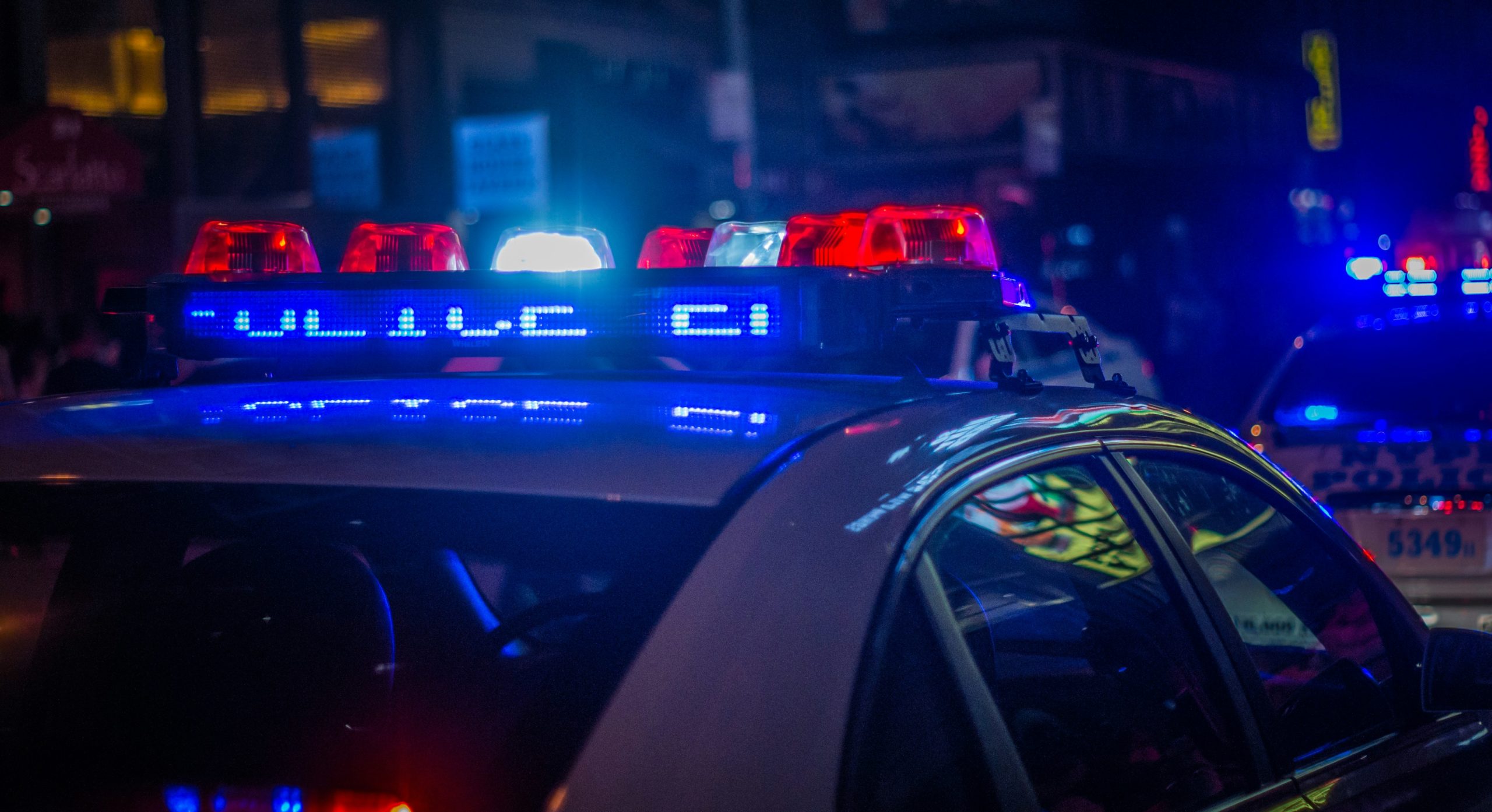
Photo by Michael Förtsch on Unsplash
Over two years after the death of Tyre Nichols—a 29-year-old Black man brutally beaten by Memphis police during a traffic stop—a Tennessee state jury delivered a verdict that shook the conscience of the nation. Three of the five officers charged in the case were acquitted of all state charges, including second-degree murder and aggravated assault. The decision reignited deep national frustration over police accountability and further highlighted the gap between justice as promised and justice as delivered in the United States.
Despite clear video evidence showing Nichols being beaten, denied medical care, and mocked as he lay dying, former officers Tadarrius Bean, Demetrius Haley, and Justin Smith walked free in a decision many saw as an indictment—not of them, but of the legal system itself. For Nichols’ family, civil rights groups, and millions across the country, the verdict was not just disappointing—it was devastating.
What Happened to Tyre Nichols?
On the night of January 7, 2023, Tyre Nichols was pulled over by the SCORPION unit—a special street crimes task force—allegedly for reckless driving. What followed was not a standard stop, but a brutal assault.
Body camera and pole surveillance footage later released to the public shows officers dragging Nichols from his vehicle, shouting contradictory commands, and quickly escalating to violence. After briefly fleeing, Nichols was caught and subjected to a merciless beating. Officers struck him repeatedly with fists, boots, and a baton—even as he was restrained and clearly posed no threat.
One of the most haunting elements of the video was Nichols’ desperate cries for his mother. He was just 80 yards from home.
After the assault, the officers stood around, bragged, exchanged fist bumps, and made no attempt to provide medical help. Nichols was left propped up against a police car, slipping in and out of consciousness for more than 20 minutes. He died three days later from blunt force trauma and internal injuries.
The Evidence Was Clear—So Why No Conviction?
Prosecutors relied heavily on the footage, presenting it as undeniable proof of excessive and deadly force. They also highlighted egregious conduct, such as Officer Haley taking a photo of Nichols’ battered body and sending it to at least 11 individuals—an act described by many as both cruel and dehumanizing.
But the defense told a different story. Lawyers for the accused officers argued that their clients were simply “doing their jobs” in a dangerous situation. They deflected blame toward Officer Emmitt Martin—who had already taken a plea deal—and painted the incident as a chaotic attempt to subdue a suspect who resisted arrest.
Shockingly, the jury accepted this version of events.
Shelby County District Attorney Steve Mulroy expressed what millions were feeling: “We all saw the videos. It’s hard to understand how a jury could see what happened and not hold anyone accountable.”
Public Outcry and the Deepening Trust Gap
The verdict sent shockwaves through the country. For the Nichols family, it was a retraumatizing blow. “I feel like I lost my son all over again,” said his mother, visibly heartbroken outside the National Civil Rights Museum in Memphis.
The Congressional Black Caucus called the outcome “a shock to our collective conscience,” while Dr. Bernice King—daughter of Martin Luther King Jr.—urged the U.S. Department of Justice to intervene, warning that the ruling was further evidence of a system “built to dehumanize Black people.”
The pain wasn’t just personal. It was deeply political and deeply historical. For Black Americans and marginalized communities, the Nichols case was yet another example of law enforcement being placed above the law. It was another moment when the justice system sent a clear message: even overwhelming video evidence may not be enough when the accused wear badges.
Federal Charges: A Parallel Path to Justice
While the state-level acquittals were deeply disappointing to many, there is still another legal route underway. All five officers involved in the beating are facing federal charges, including violations of Nichols’ civil rights, use of excessive force, and obstruction of justice. Federal prosecutors secured convictions against three of the officers in October 2024, while the remaining two had already pled guilty.
These federal proceedings are expected to result in sentencing in the coming months. And while federal convictions do not undo the harm, they do represent a form of accountability that the state courts failed to deliver.
A $550 Million Lawsuit and the Disbanding of SCORPION
Beyond criminal charges, Nichols’ family has filed a $550 million civil lawsuit against the City of Memphis, the police chief, and the individual officers involved. The suit targets not just the actions of the five men but the structural failings that allowed them to act with such impunity.
The SCORPION unit—short for “Street Crimes Operation to Restore Peace in Our Neighborhoods”—was disbanded shortly after Nichols’ death. Though launched with the intent of combating violent crime, the unit had quickly gained a reputation for aggressive, unchecked policing, especially in predominantly Black neighborhoods.
Critics say the unit functioned more like a militarized gang than a public safety entity, with little oversight and an internal culture that encouraged excessive force.
How the System Shields Itself
The Nichols case has once again illuminated the complex layers of protection that law enforcement officers benefit from—both legally and culturally.
It’s no longer enough to say “the system is broken.” The system is working exactly as it was designed to: to protect its own, even at the cost of public trust and human life.
A Broken Pattern: From Rodney King to Tyre Nichols
What makes the Tyre Nichols case particularly harrowing is how familiar it all feels. From Rodney King’s beating in 1991 to George Floyd’s murder in 2020, there has been a tragic consistency in how the justice system responds to police violence: protest, outrage, and then—usually—acquittal.
These aren’t isolated incidents. They form a long and painful pattern, one in which change is often promised but rarely delivered. For every new reform or policy, there seems to be a loophole, a legal shield, or a technicality that ultimately absolves those in power.
Nichols’ case wasn’t supposed to follow this path. The footage was clear. The brutality was undeniable. And still, the outcome was the same.
Beyond Race: The Culture of Policing Itself
Some observers noted that all five officers involved in Nichols’ beating were Black, leading some to question whether race was a factor in the case. But this interpretation misses the forest for the trees.
As many scholars and activists have pointed out, the issue is not simply the race of the officers—it is the culture of policing. The institution itself was built around control, surveillance, and force—especially toward marginalized communities. That culture can and does consume officers of any race.
Police departments across the country continue to emphasize compliance over compassion, control over care, and domination over de-escalation. As long as these values remain embedded in training and protocol, tragedy will follow.
The Push for Reform: Still Alive
Despite disappointment with the trial’s outcome, momentum for reform remains strong. Advocacy groups are calling for:
Without structural change, justice will continue to be the exception rather than the rule.
Tyre Nichols Was More Than a Victim
In the midst of all this, we must not forget who Tyre Nichols was—not just a name on a court docket or a viral video. He was a son, a friend, a skateboarder, and a photographer who loved capturing Memphis sunsets. He had passions, aspirations, and people who loved him.
His life was cut short not by a random act of violence, but by a system that empowered officers to treat him with brutality—and then failed to hold them accountable. His story is not just about injustice, but about the humanity that was lost in those horrific minutes on a Memphis street.
Conclusion: A Mirror to America
The state-level acquittals in the Tyre Nichols case are more than a verdict—they are a reflection of where America still stands when it comes to justice. Even with clear footage, national scrutiny, and overwhelming evidence, the system remains deeply resistant to holding law enforcement accountable.
And yet, there is still a movement, still a demand for change, still people who believe that justice is not just a dream but a necessity.
The question is not whether we have the evidence. The question is whether we have the will.


